Because numbness is the loss or dulling of sensation, it can take many forms. We can become numb to temperature, spices, alcohol/drugs, certain foods, loud sounds, or even silence. We can also become numb to stress, emotional pain, tragedy, and physical suffering. In each case, numbness develops through overexposure or overuse. What once provoked a response no longer does. As we continue our exploration of spiritual numbness, we must consider the different ways this condition can shape the heart.
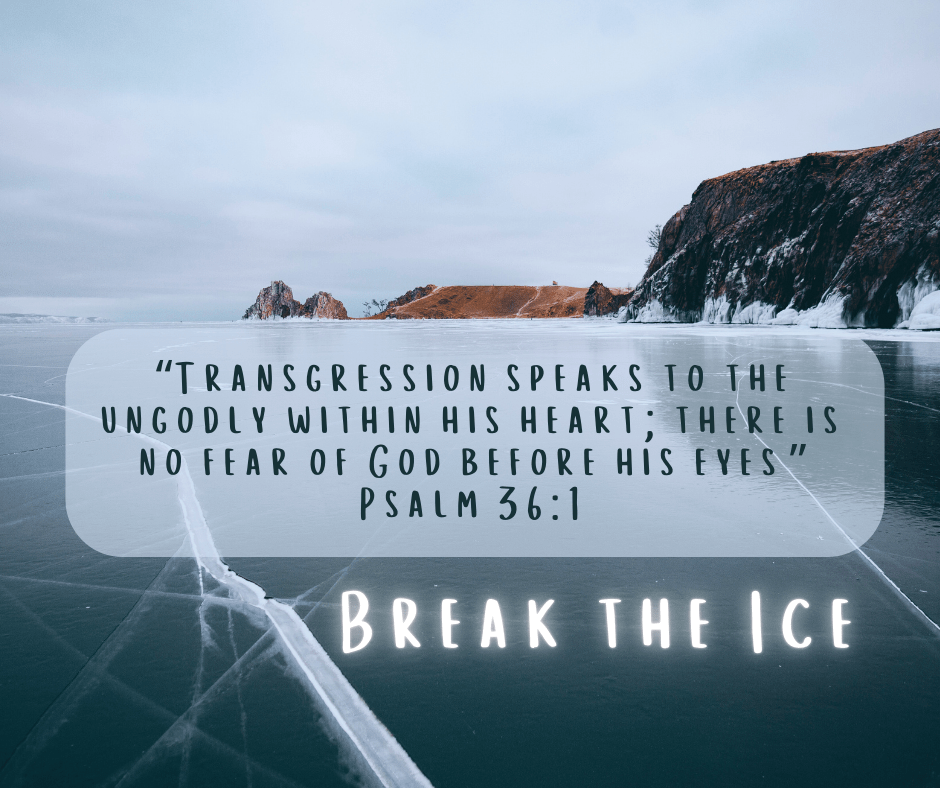
One form of spiritual numbness is numbness to our own sin. David describes this in Psalm 36: “Transgression speaks to the ungodly within his heart; there is no fear of God before his eyes” (Ps. 36:1). This kind of numbness develops when we become comfortable with our sin—when it no longer troubles or convicts us. David portrays sin as something that whispers deep within the heart, slowly eroding reverence for God until His judgment no longer seems real or urgent. The fear of God does not disappear suddenly; it freezes slowly as sin becomes tolerated rather than resisted.
Another form of spiritual numbness is becoming desensitized to the wickedness of the world. This, too, results from overexposure. Through the prophet Ezekiel, God confronts Israel: “How sick is your heart… because you did all these things” (Ezek. 16:30). Israel had grown accustomed to the sins of the surrounding nations, and over time, what once shocked them became normal. Their hearts grew sick, and they began participating in the very wickedness they had once observed from a distance. Familiarity replaced resistance. Observation turned into participation. The slow freeze left them unable to feel shame, and numbness to sin around them became sin within them.
We can also become numb to the voice and commands of God. Jeremiah repeatedly laments this condition among the people of Judah: “They did not listen to me or incline their ear, but stiffened their neck. They did worse than their fathers” (Jer. 7:26). He also declares, “O foolish and senseless people, who have eyes, but see not; who have ears, but hear not” (Jer. 5:21). Though they possessed the ability to hear and understand God’s word, their stubborn and rebellious hearts prevented them from responding. Like David, Jeremiah connects this numbness to a loss of fear and reverence for the Lord. This numbness was not ignorance, but it was resistance repeated so often that it became reflex. Each ignored warning hardened the heart further, until God’s word no longer stirred fear, repentance, or obedience. What was once heard clearly now fell on frozen ground.
Jesus warns that increasing wickedness can also numb us to the needs of others: “And because lawlessness will be increased, the love of many will grow cold” (Matt. 24:12). While Jesus was specifically describing the coming tribulation surrounding the destruction of Jerusalem, the principle extends beyond that moment. Notice the language: love does not disappear; it grows cold. Compassion freezes slowly as chaos becomes constant. Exposure dulls empathy. Over time, suffering becomes background noise, and the heart no longer moves toward others with care or concern. Persistent exposure to lawlessness hardens the heart, diminishing compassion and weakening love. When wickedness becomes familiar, care and love for others often fade. Our hearts grow cold.
Another form of spiritual numbness is a numbed conscience. Paul addresses this in Romans: “Since they did not see fit to acknowledge God, God gave them up to a debased mind to do what ought not to be done” (Rom. 1:28). Because the Gentiles rejected God, He allowed them to continue down their chosen path. Over time, their conscience—once capable of restraint—lost its ability to guide behavior, and actions they had once recognized as wrong no longer troubled them. This is not an instant collapse, but a gradual surrender. As God is continually rejected, the conscience loses its sensitivity. Actions once recognized as wrong no longer produce discomfort. The internal warning system freezes, and the heart no longer restrains what it once resisted.
At its core, every form of spiritual numbness flows from the same source: a stubborn and unrepentant heart. Paul states this plainly: “Because of your stubbornness and unrepentant heart you are storing up wrath for yourself on the day of wrath” (Rom. 2:5). The slow freeze is not passive. Each ignored conviction, each tolerated sin, each resisted warning adds another layer of ice. Spiritual numbness may feel quiet and manageable, but it is never harmless. It does not lead to neutrality, but to judgment and wrath. What feels like dullness now is quietly storing up consequences that will one day be revealed in full at the righteous judgment of God. What freezes slowly does not remain still forever—it hardens. And unless the heart is thawed by repentance, it becomes increasingly unresponsive to God, to others, and ultimately to truth itself. #BreakTheIce #SpiritualNumbness
 Adonai's Appeal